

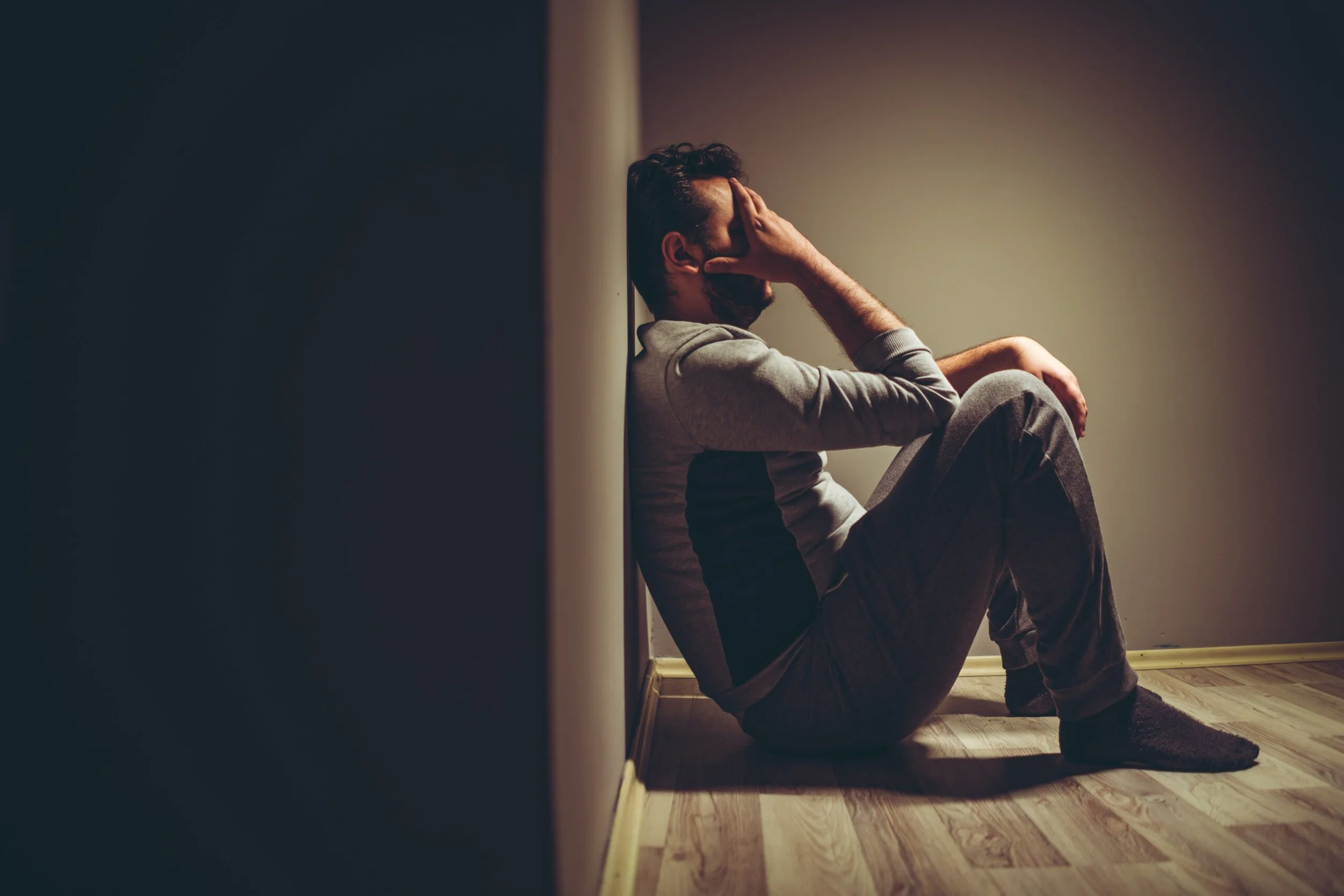
Depression
Depression is a common mental health condition that causes a persistent feeling of sadness and changes in how you think, sleep, eat and act. There are several different types. Depression is treatable — usually with talk therapy, medication or both. Seeking medical help as soon as you have symptoms is essential.
What are the types of depression?
-
A diagnosis of major depressive disorder means you’ve felt sad, low or worthless most days for at least two weeks while also having other symptoms such as sleep problems, loss of interest in activities or change in appetite. This is the most severe form of depression and one of the most common forms.
-
Persistent depressive disorder is mild or moderate depression that lasts for at least two years. The symptoms are less severe than major depressive disorder. Healthcare providers used to call PDD dysthymia.
-
DMDD causes chronic, intense irritability and frequent anger outbursts in children. Symptoms usually begin by the age of 10.
-
With PMDD, you have premenstrual syndrome (PMS) symptoms along with mood symptoms, such as extreme irritability, anxiety or depression. These symptoms improve within a few days after your period starts, but they can be severe enough to interfere with your life.
Know What NOT to Do
*
Know What NOT to Do *
-
It’s common to want to help your loved one avoid painful situations by going out of your way to eliminate the cause for concern. However, anxiety typically does not dissipate. As time progresses, if individuals consistently evade confronting challenging circumstances, the anxiety intensifies and the demands for accommodations increase.
-
Conversely, it is equally unwise to compel an individual to engage in activities that instill fear. Attempting to pressure someone who is unprepared may harm that relationship. Mastering the ability to conquer profound anxiety is most effectively achieved in collaboration with a qualified therapist. This alleviates the pressure on you. Furthermore, it empowers your loved one by assisting them in confronting their fears gradually, with the support of an experienced professional.
What are the symptoms of depression?
The symptoms of depression can vary slightly depending on the type and can range from mild to severe. In general, symptoms include:
Feeling very sad, hopeless or worried. Children and adolescents with depression may be irritable rather than sad.
Not enjoying things that used to bring joy.
Being easily irritated or frustrated.
Eating too much or too little, which may result in weight gain or weight loss.
Trouble sleeping (insomnia) or sleeping too much (hypersomnia).
Having a difficult time concentrating, making decisions or remembering things.
Experiencing physical issues like headache, stomachache or sexual dysfunction.
Having thoughts of self-harm or suicide.
Having low energy or fatigue.